When planning your trip to Tokyo, consider including some peaceful breaks right in the middle of the city. Be sure to note these three places: Yoyogi Park, Meiji Jingu, and Shinjuku Gyoen. They’re all located in the Shibuya/Shinjuku area. These places are easily accessible and beautiful. They offer very different experiences. Whether you love parks, want amazing photos, or simply need a moment to rest, these locations are perfect for sightseeing breaks.
These three places left a big impression on me, each with a very unique experience. I’m going to tell you what to expect from each one. I will describe their differences and particularities. You will get that personal touch that only someone who’s walked a lot through them can share!
1. Yoyogi Park: one of Tokyo’s largest parks
The first time we entered Yoyogi Park was completely by chance: we had just left the crazy, crowded streets of Shibuya. We had already seen the Shibuya Crossing, visited the Mugiwara Store, and explored all the shops at Shibuya Parco, including the Jump Shop, Nintendo Shop, and the Pokémon Center Shibuya. We were feeling a bit tired of seeing so many people and shops. We wanted to rest but without stopping, you know?
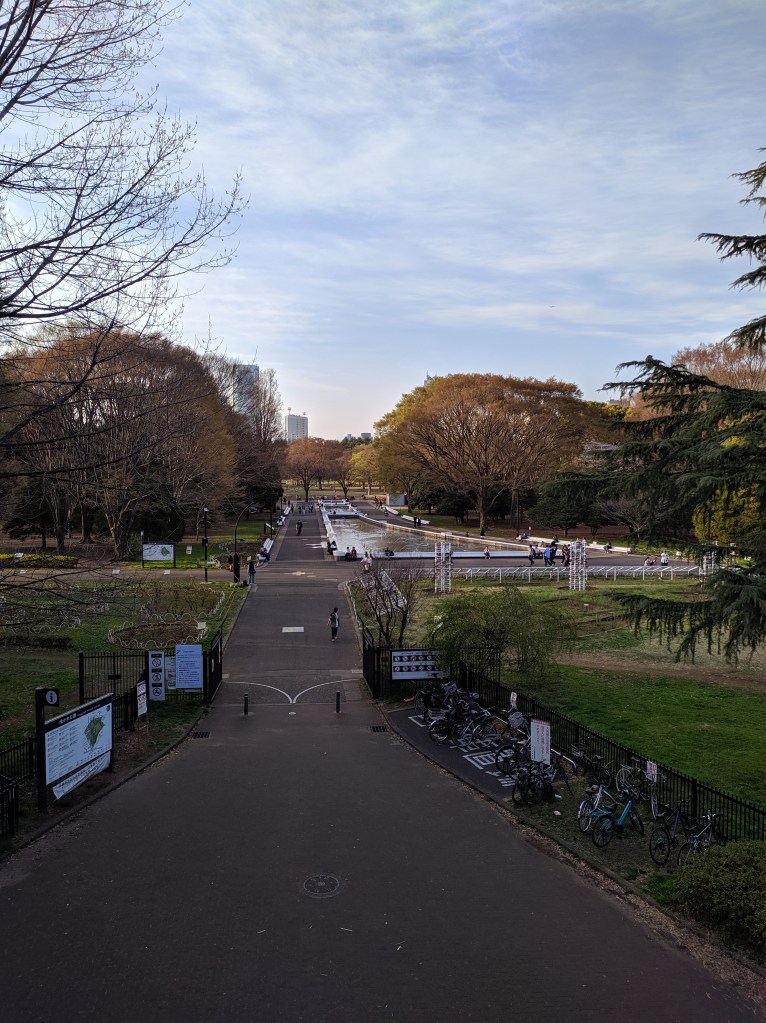
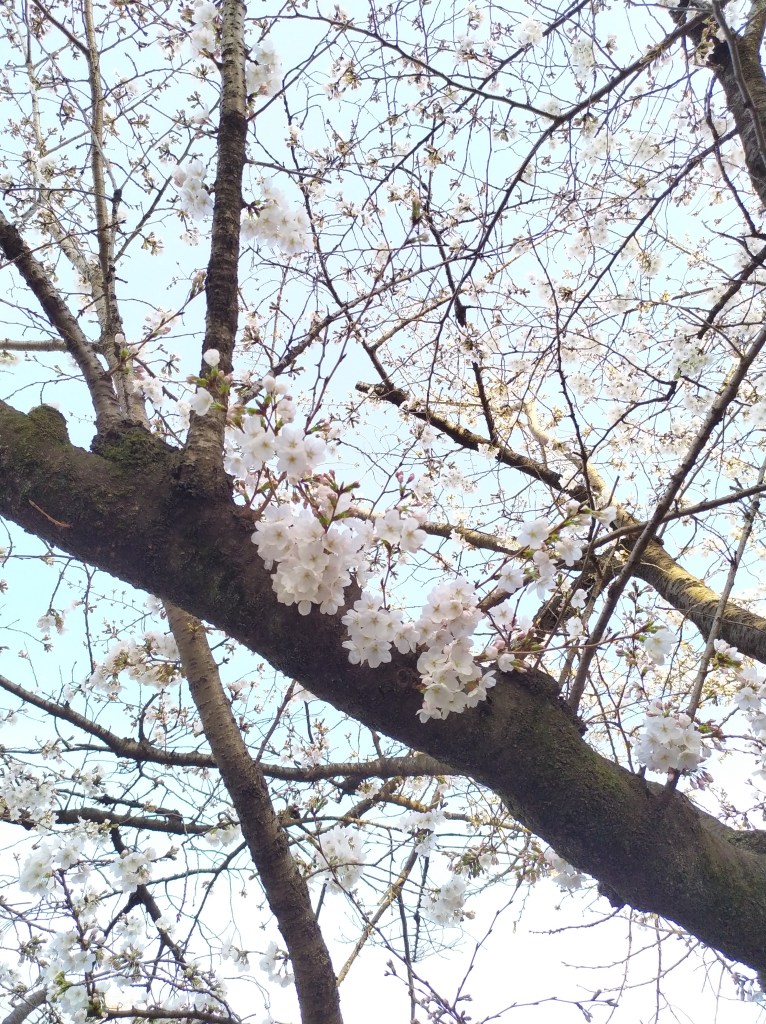
So, we left the hustle of Shibuya and started heading uphill through the neighborhood, when suddenly we stumbled upon Yoyogi Park. It’s huge, with endless lawns, and even though there were lots of people enjoying the scenery, the park didn’t feel crowded at all. The trees already had cherry blossoms, as well as plum and peach blossoms, making the landscape even more beautiful, though many trees hadn’t bloomed yet.
What stood out to me the most, not just in this park but in all the ones we visited in Japan, was how the Japanese enjoy these places in such a laid-back way. Families have picnics. People play music or sports. I felt like I had stepped into an everyday scene, and I confess I imagined myself many times living there and enjoying the park just like the locals do.
If you’re looking for a place to relax or have a picnic, Yoyogi is a great spot for you. You can also ride a bike there or simply see how Japanese people enjoy sunny days.
What you’ll find:
- Huge lawns, perfect for sitting and relaxing.
- Lots of trees (especially cherry blossoms and ginkgos).
- Wide paths for walking or cycling.
- Shibuya Gate is an observation deck. You can see part of the park and the surrounding streets from above. We actually arrived through this entrance. A precious detail about this deck: underneath the bridge that gives access to the other side of the neighborhood or park—depending on the direction you’re coming from—there are beautiful murals painted on the walls beside the stairs leading up to the deck.
- A very social and vibrant park, especially on weekends.
💡 Tip: Visit in autumn to see the avenue of golden ginkgo trees or in spring for hanami (cherry blossom viewing).
2. Meiji Jingu: a path of peace and tradition
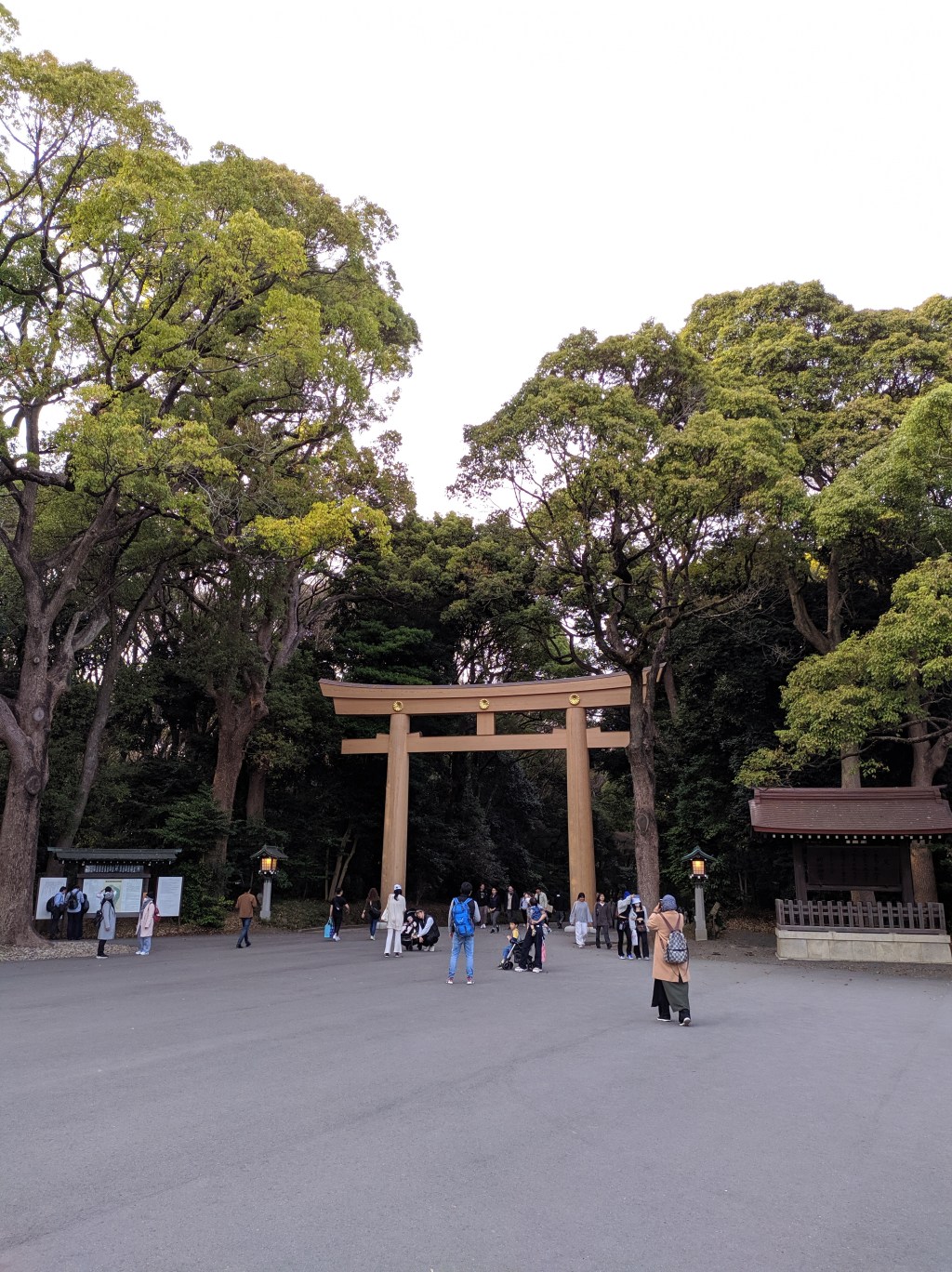
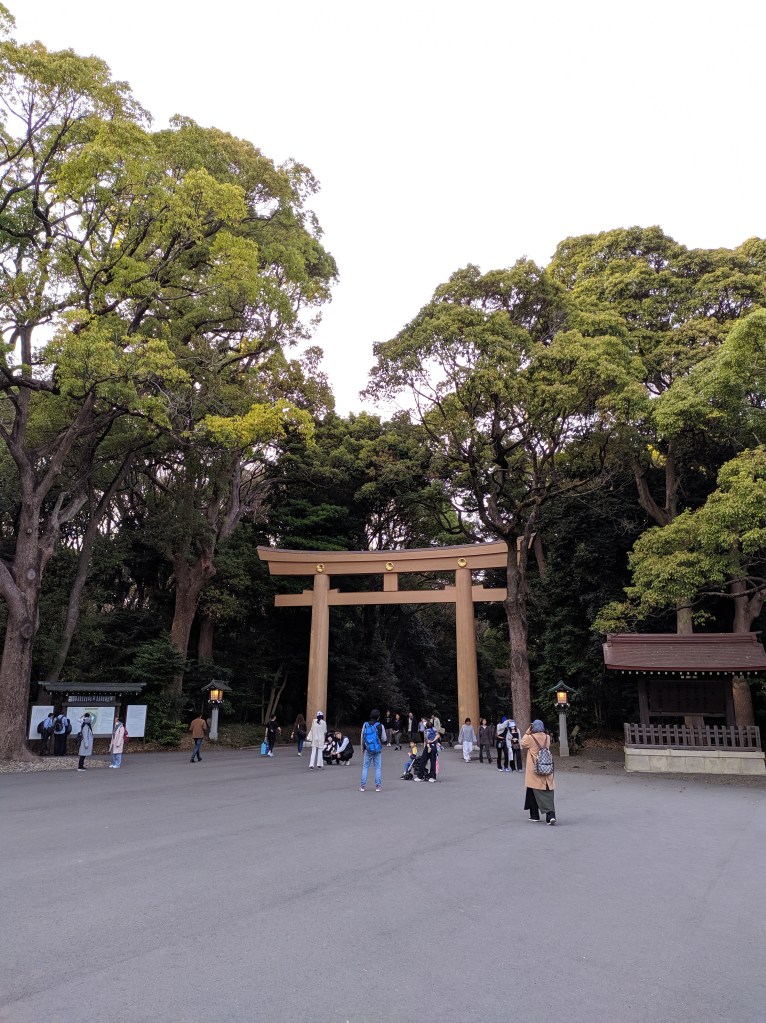
From Yoyogi, you can head straight to Meiji Jingu. It’s a Shinto shrine surrounded by an immense forest, planted over 100 years ago with about 100,000 trees brought from all over Japan.
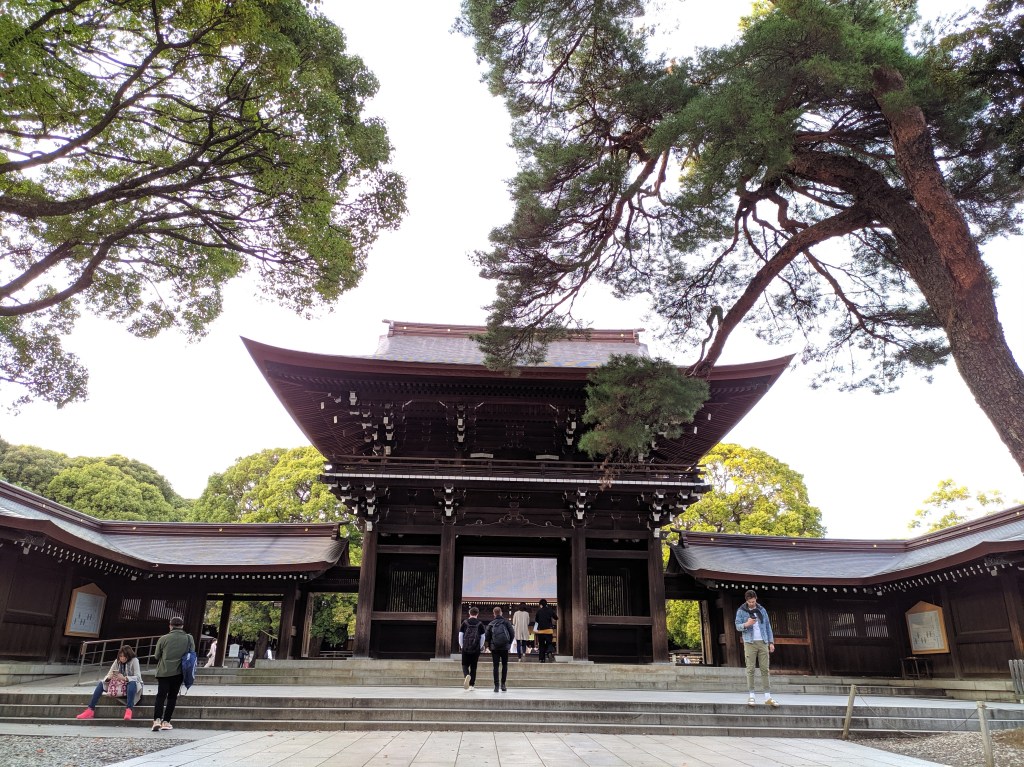
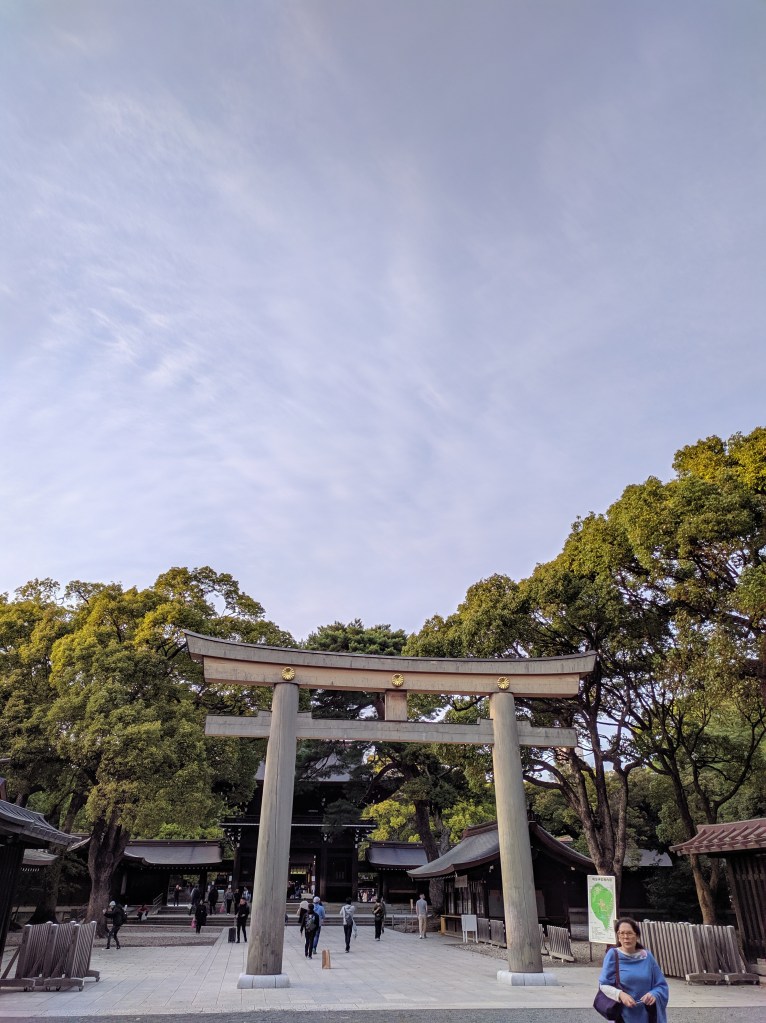
As soon as you walk through the giant wooden torii gate, you can feel the change: silence, the scent of the forest, the sound of gravel under your feet. This place is one of those where you feel like you’re stepping into another world. The city noise disappears. The towering trees lining the long path to the shrine make you feel small in the face of nature. The sense of peace is simply indescribable.
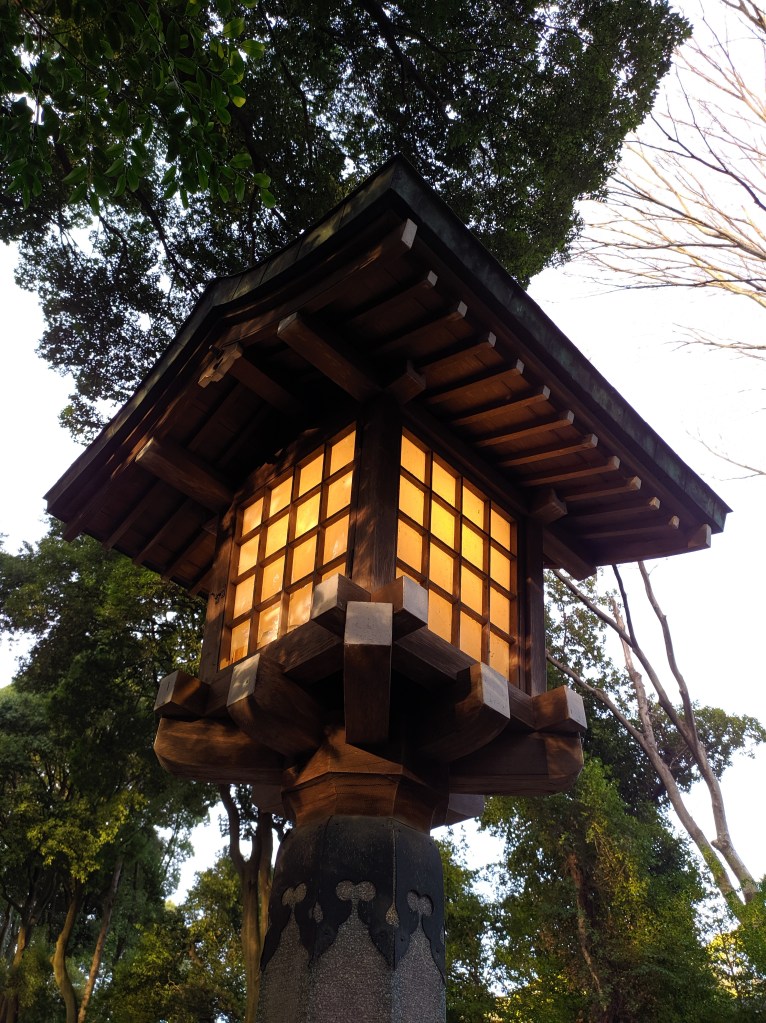
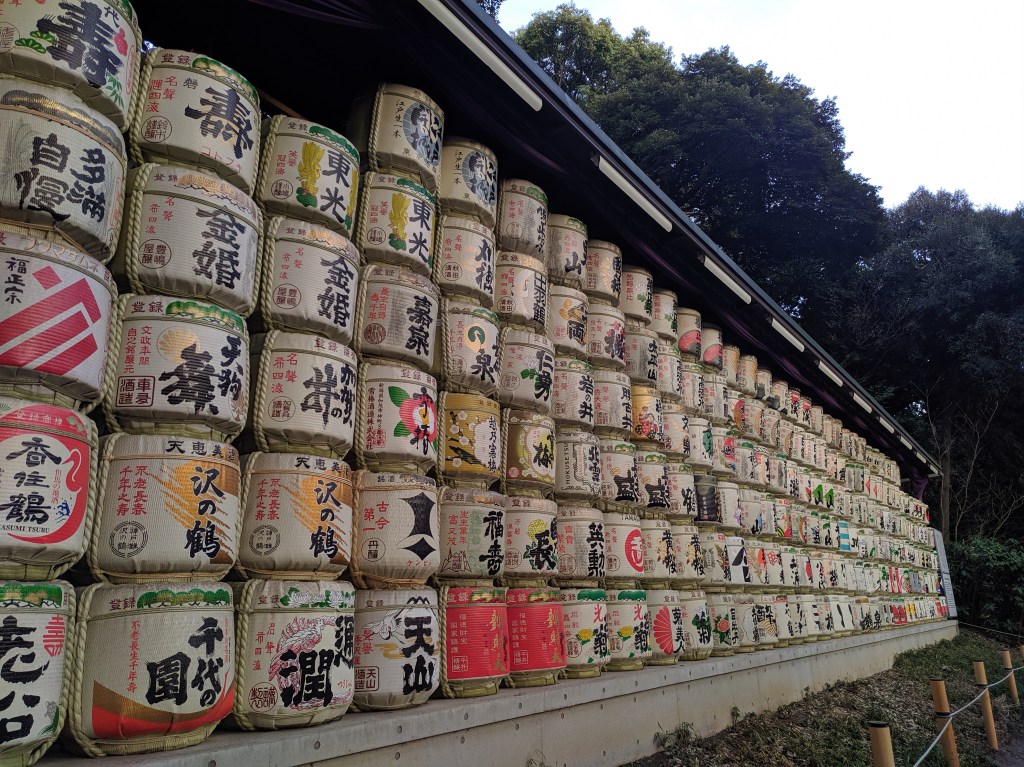
Along the way, I was struck by the wooden lanterns and the colorful rows of sake barrels—symbols of offerings made to the shrine—and the architecture of the shrine itself is impressive. Even the metalwork details on the wooden beams are beautiful and exquisitely crafted.
What not to miss:
- The wooden lanterns along the path, which create a very special atmosphere.
- The sake barrels offered to the shrine—one of the most photogenic spots.
- The inner garden (Meiji Jingu Gyoen), which has a pond with koi fish and beautiful flowers.
- If you’re lucky, you might even witness a traditional Japanese wedding.
💡 Tip: You don’t need to pay to enter the shrine, only the inner garden (there’s a fee, but it’s very reasonable and totally worth it). Wear comfortable shoes—the path is long but absolutely worth it.
3. Shinjuku Gyoen: nature, beauty, and tranquility
This is the most “organized” park of the three. Shinjuku Gyoen is a national garden, with an entrance fee (about 500 yen), but it’s worth every cent.
It’s meticulously maintained, with impeccable landscaping and several different areas to explore: Japanese, French, and English gardens… each little part with its own style and an impressive calm.
You’ll probably find yourself stopping several times as you walk through it. You may want to watch the koi fish in the ponds. You’ll admire the perfectly shaped trees. You’ll also take in the gorgeous, colorful flowers. For those who love landscaping, Shinjuku Gyoen is the place. This is especially true for fans of the classic Japanese garden with a charming wooden bridge over the pond.
What’s worth seeing:
- The Japanese garden with bridges over ponds—a classic photo spot.
- The Taiwan Pavilion (super beautiful and somewhat hidden).
- The greenhouse—great if it’s raining or really cold.
- Lots of cherry trees in spring and vibrant red foliage in autumn.
This park is perfect for those who enjoy quiet walks, taking beautiful photos, and observing nature in a peaceful, silent setting.
💡 Tip: Shinjuku Gyoen closes early! Usually around 4:30 PM. You can’t really do a late afternoon stroll, so I recommend going with enough time to fully enjoy the park and its different landscapes. You can easily spend an entire morning there.
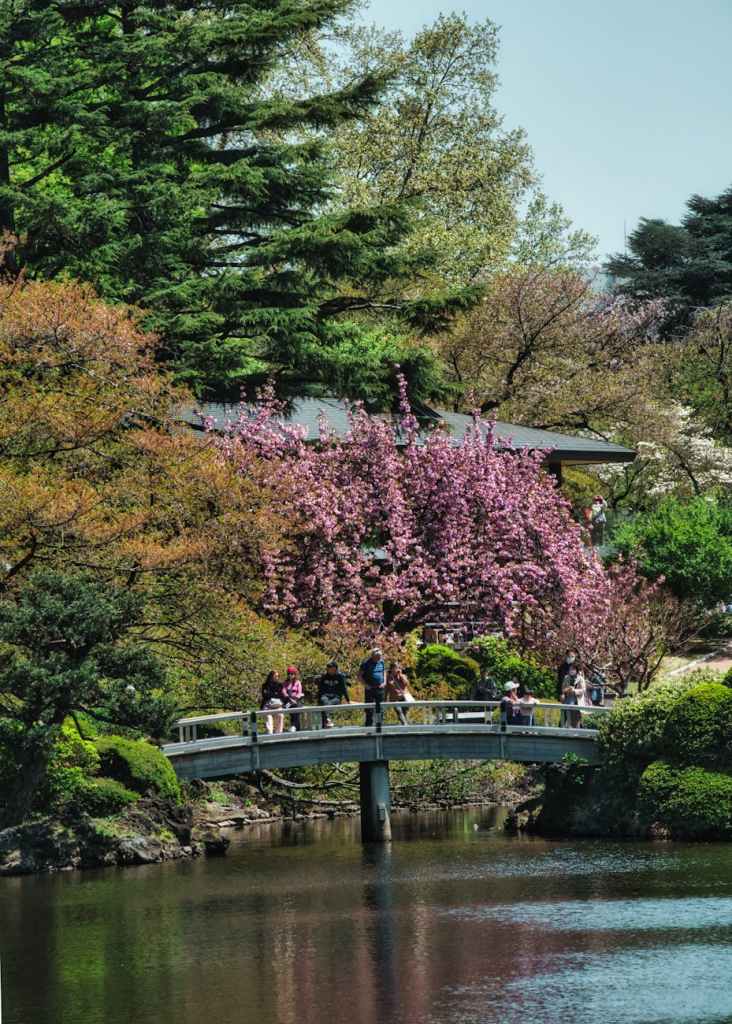
Photo by Travel with Lenses on Pexels.com
Which one to choose?
If you can, visit all three! Each has its own unique vibe. But if your itinerary is tight, it’s worth considering what experience you’re looking for when visiting parks.
If you want to experience Japanese daily life, with lots of people enjoying the space, go to Yoyogi Park.
If you prefer a more introspective, spiritual moment, Meiji Jingu is definitely the place.
And if you love landscaping and are looking for beautiful photos and contemplation, Shinjuku Gyoen is a must.
Honestly, if I had to choose just one, it would be Meiji Jingu—the feeling of walking through that forest was one of the most memorable experiences of our days in Tokyo. I can still recall how it felt to walk there, and I’d definitely go back to spend even more time.
How to get there?
Yoyogi Park / Meiji Jingu: Harajuku Station (JR Yamanote) or Meiji-Jingumae (Metro).
Shinjuku Gyoen: Shinjuku Gyoenmae Station (Metro) or Shinjuku Station (JR).
When to go?
I recommend visiting in spring to enjoy the beautiful view of cherry blossoms and other blooming trees. Autumn is also a great choice if you like seeing the changing colors of the leaves—reds and golds everywhere.
I hope these tips help make your trip richer and more balanced—with those moments of pause in nature that, honestly, make all the difference.
Do you have any questions or want to share a suggestion? Please, leave it in the comments! 😊
 L.A.D.Y.H Travels
Deixe um comentário